
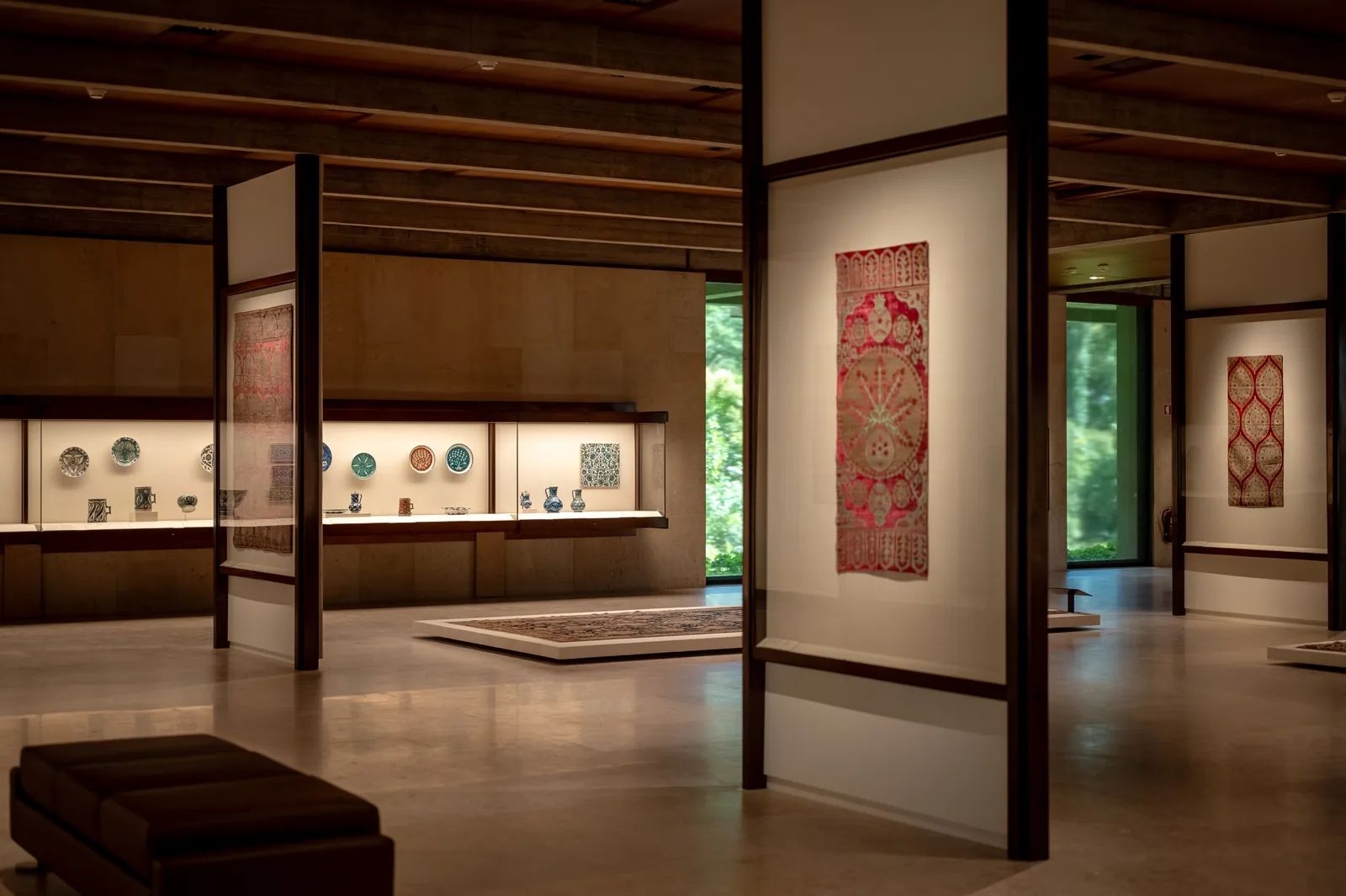
Anew, as new. Following an extensive renovation of one and a half years, the Calouste Gulbenkian Museum reopened its doors to the public on July 18th 2026.
Born in 1869, Calouste Sarkis Gulbenkian was a businessman of Armenian origins, who played a decisive role in the exploitation of Iraqi petroleum reserves, becoming one of the world’s wealthiest people before his death in 1955.
Throughout his life, Gulbenkian supported various philanthropies ranging from the establishment of schools and hospitals to the building of monuments and churches. He travelled extensively, assembling a unique art collection from the places he visited, and lived in numerous cities including his birthplace, Constantinople, later London and Paris, and finally Lisbon.
Now among the largest private institutions in Europe, the Calouste Gulbenkian Foundation was created in Lisbon in 1956 by his bequest, to continue promoting education, charity, and the arts around the world. At the same time, his art acquisitions constitute one of the world’s most important private art collections to date, comprising more than six thousand items.
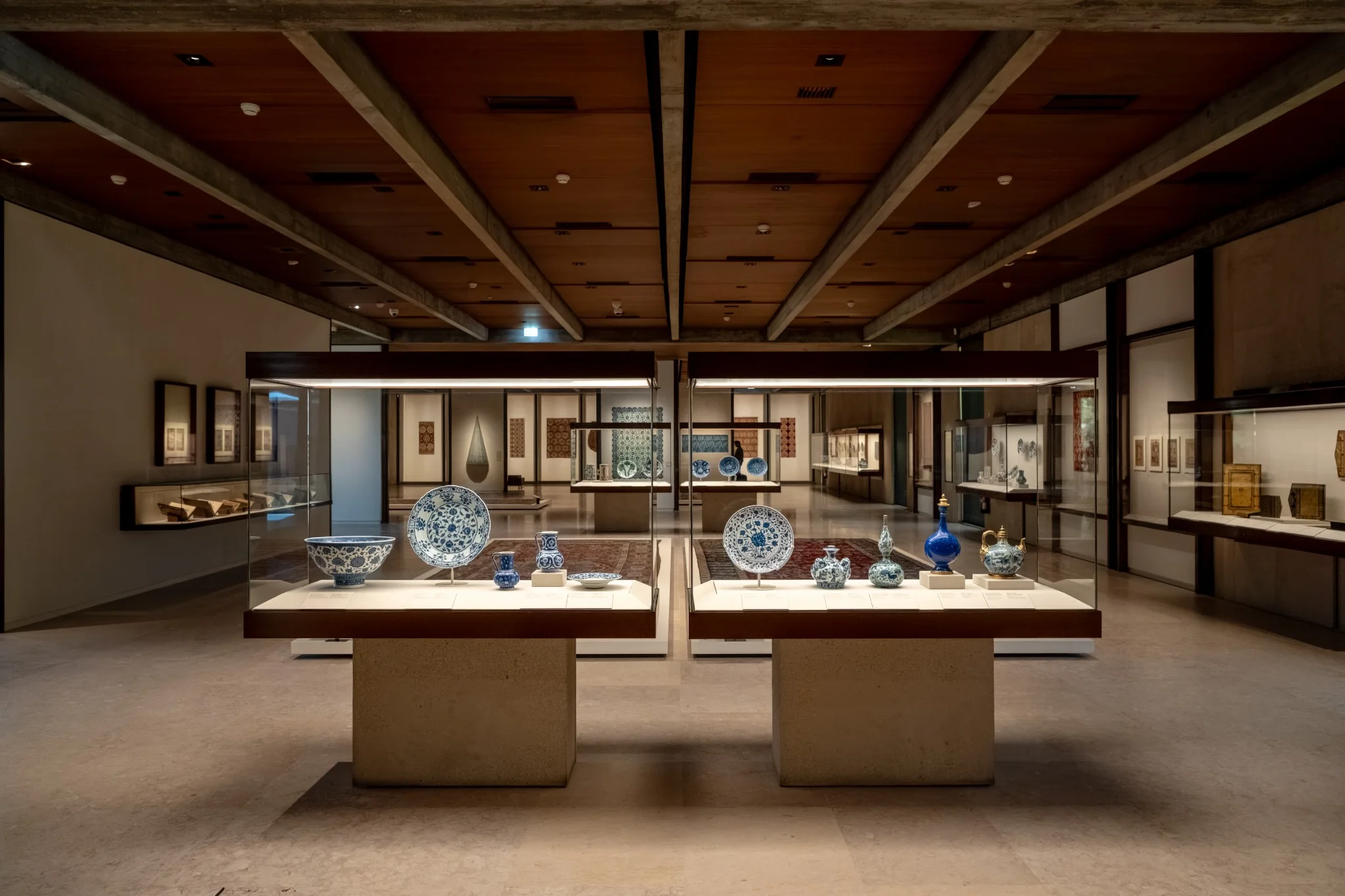
Inaugurated in 1969, the Calouste Gulbenkian Museum was constructed from the ground up to house the Gulbenkian collection, signaling a new landmark in modern Portuguese architecture. In celebration of the Calouste Gulbenkian Foundation’s 70th anniversary, the Museum initiated a major renovation in 2025. Aiming to upgrade both the museum infrastructure and the visitor experience, the project entailed new and renewed display cases, enhanced lighting conditions as well as modern climate control and security mechanisms.
Inspired by the Museum’s original exhibition design of the 1960s, the new museography was informed by a meticulous study of archival plans and photographs of the time. Led by Frédéric Ladonne & Teresa Nunes da Ponte, the renovation’s guiding principle was to restore the Museum to its initial splendor. The intervention thus drew upon a refined architectural vocabulary, including materials such as silk, wood, bronze, glass and concrete, to evoke the authentic textures and aura of the Museum, while re-establishing the relationship between architecture, art and nature.
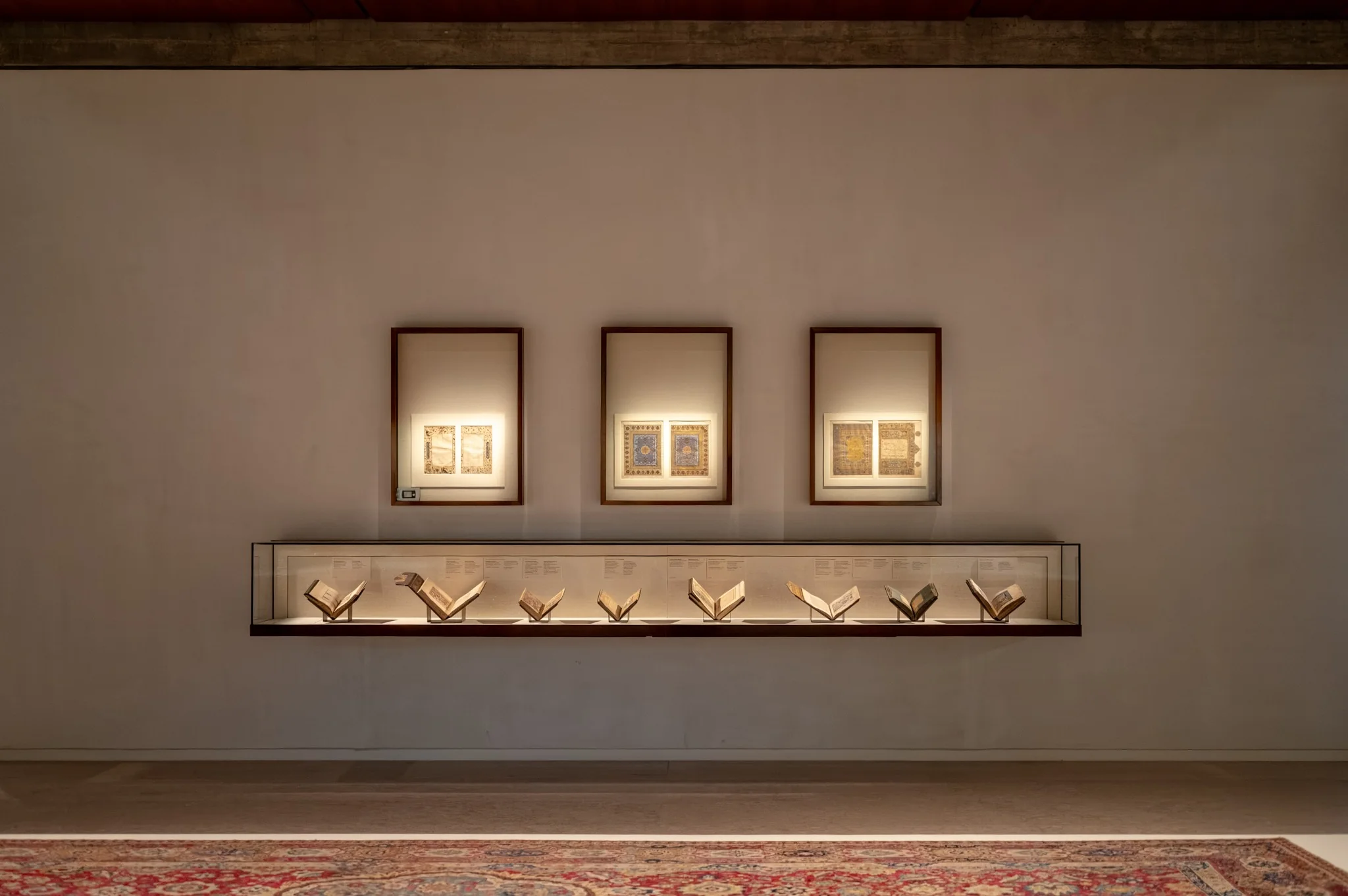
Encompassing ten permanent galleries and collections that trace the art historical canon all the way from Ancient Mesopotamia to twentieth-century European decorative arts, the project demanded an exceptional level of coordination given its scale and demanding delivery schedule. Alongside the compressed construction programme, the installation phase required continuous collaboration with conservators, lighting specialists and other contractor workshops working simultaneously on site.
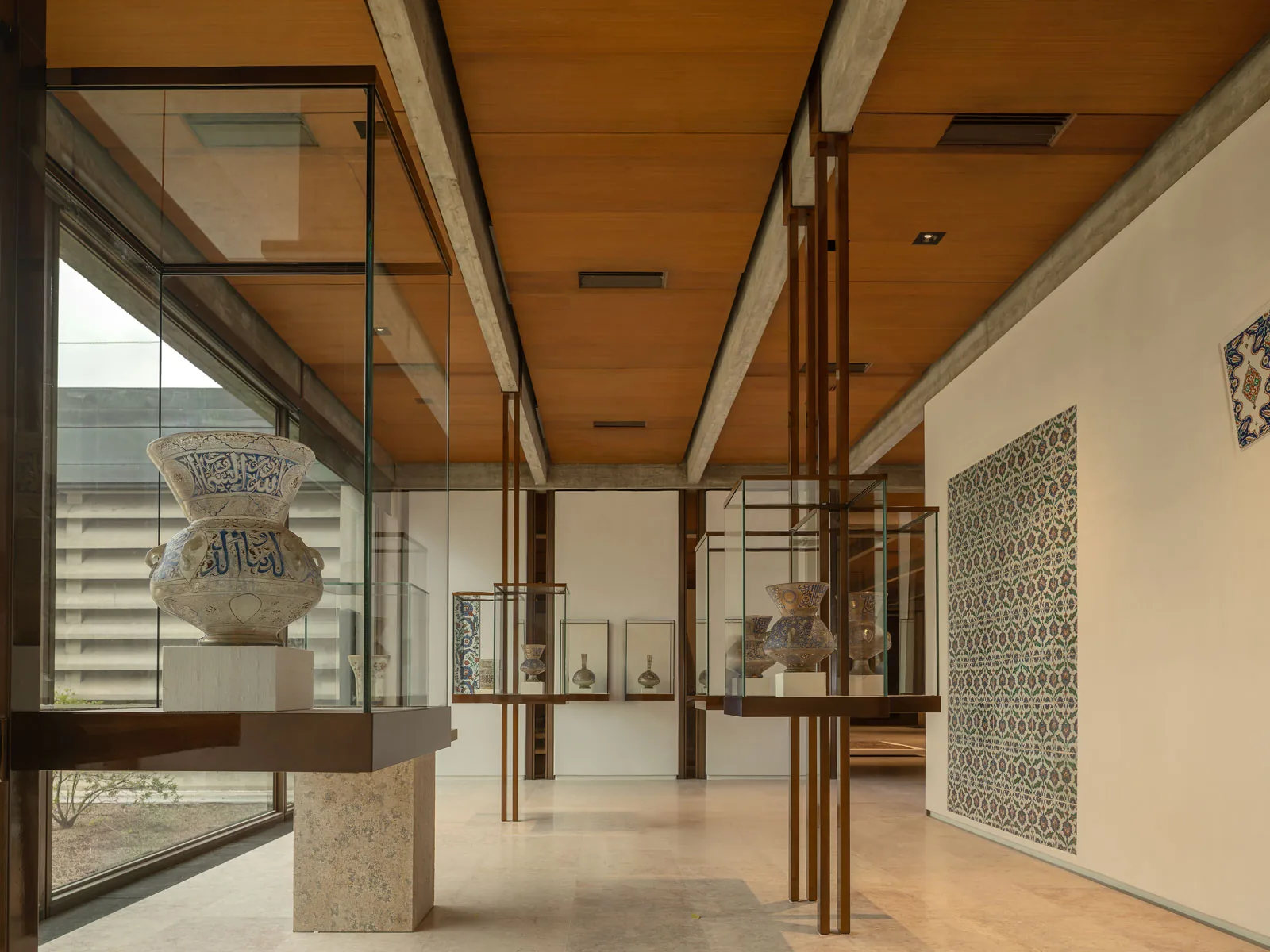
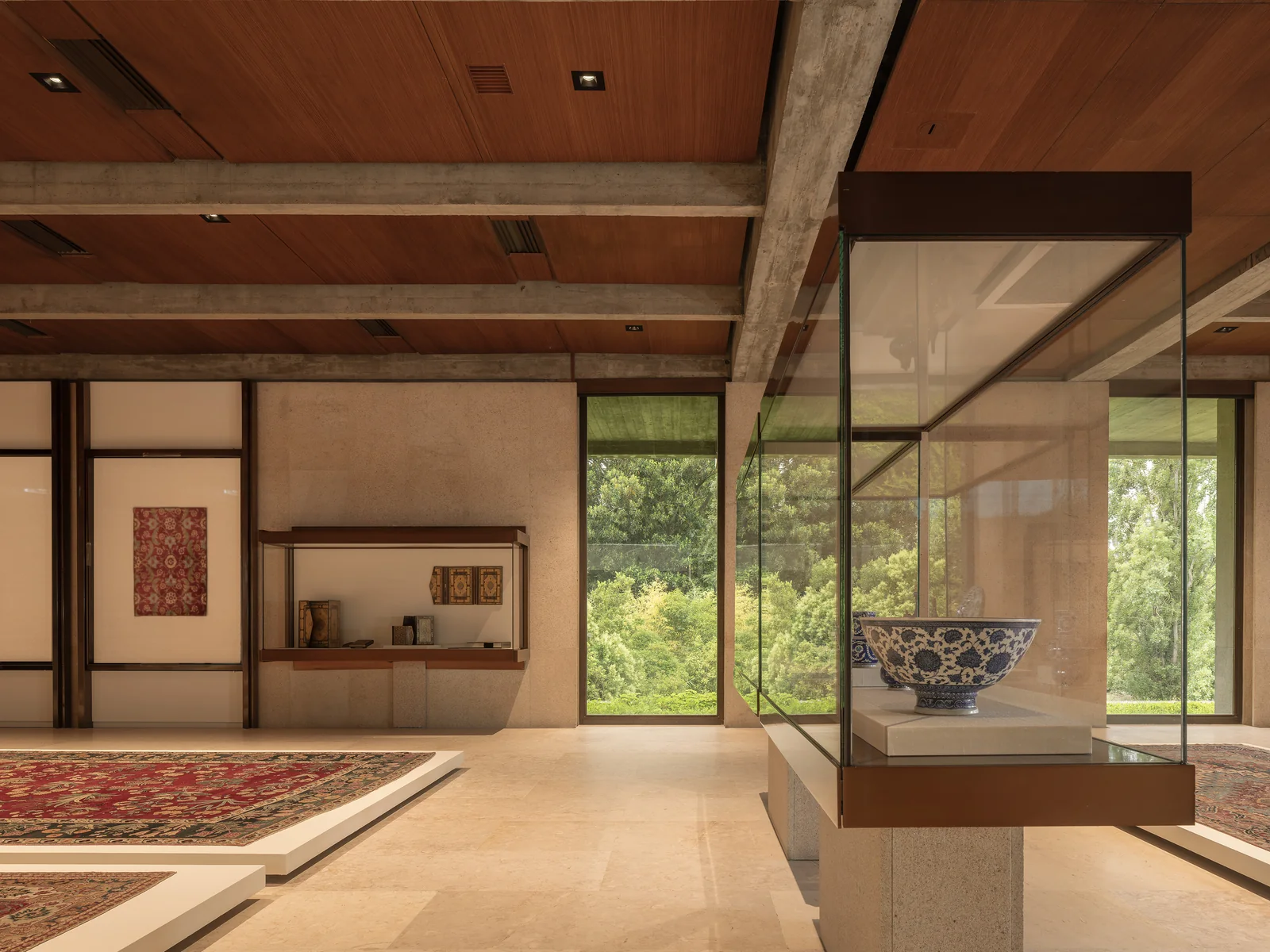
The project also demanded highly bespoke material solutions. As the original quarry that supplied the Museum’s stone had long ceased operation, reclaimed material from the existing galleries was carefully repurposed and incorporated into the bases of new display cases, allowing them to blend seamlessly with the historic architectural fabric while preserving the visual continuity envisioned by the design team. Every material was treated with exceptional care: exhibition surfaces, showcase interiors and even gallery walls were clad in James Hare silk, with the direction of the fabric weave carefully specified throughout to ensure complete visual consistency.
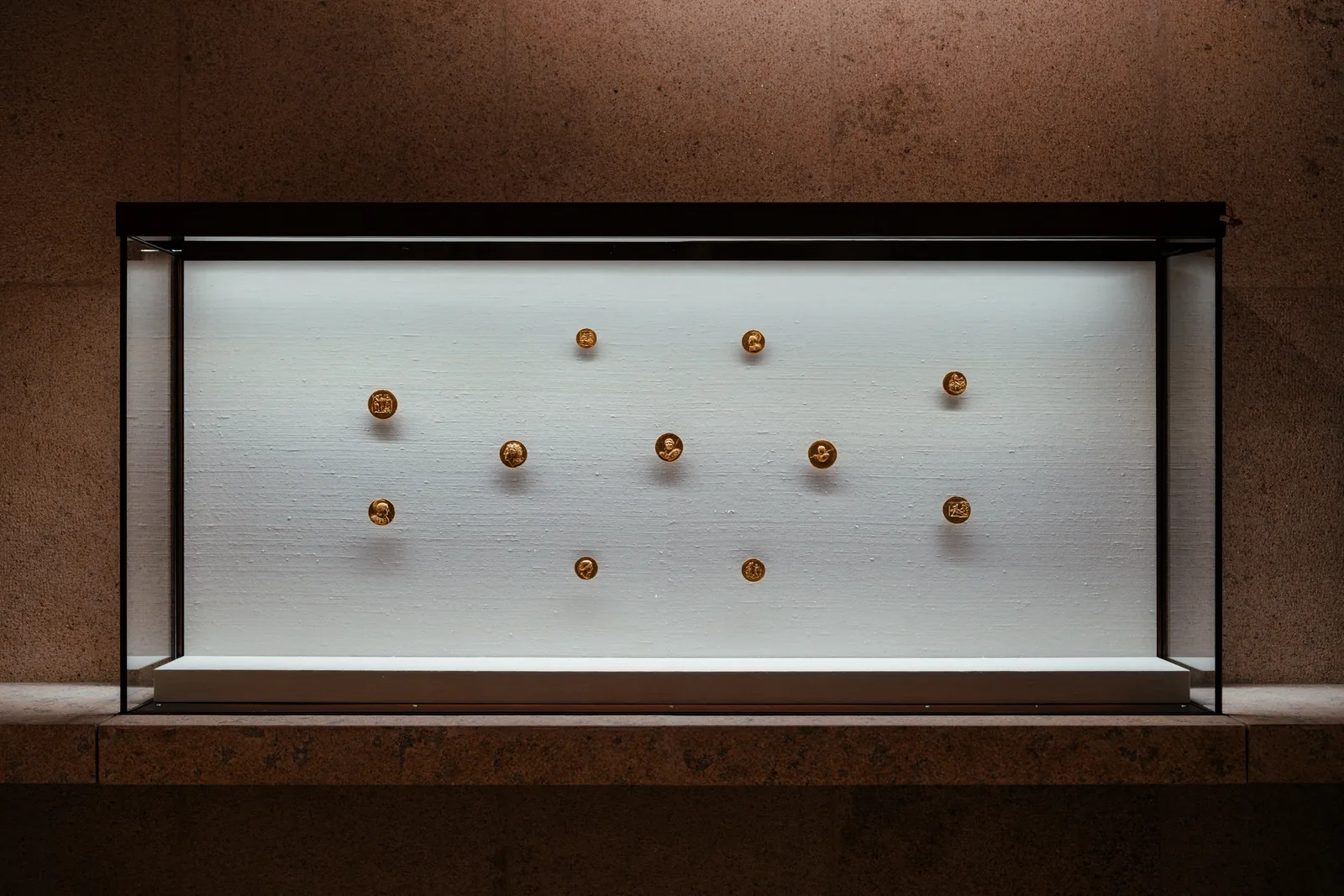
Among the renovation’s highlights is the new Numismatics Gallery, created by transforming a former service room into an intimate exhibition space dedicated to the Museum’s extensive collection of coins and medals. The gallery’s size allows visitors to experience these remarkably small objects under optimal viewing conditions, while a new thematic display presents the collection in a richer and more accessible narrative than previously possible.
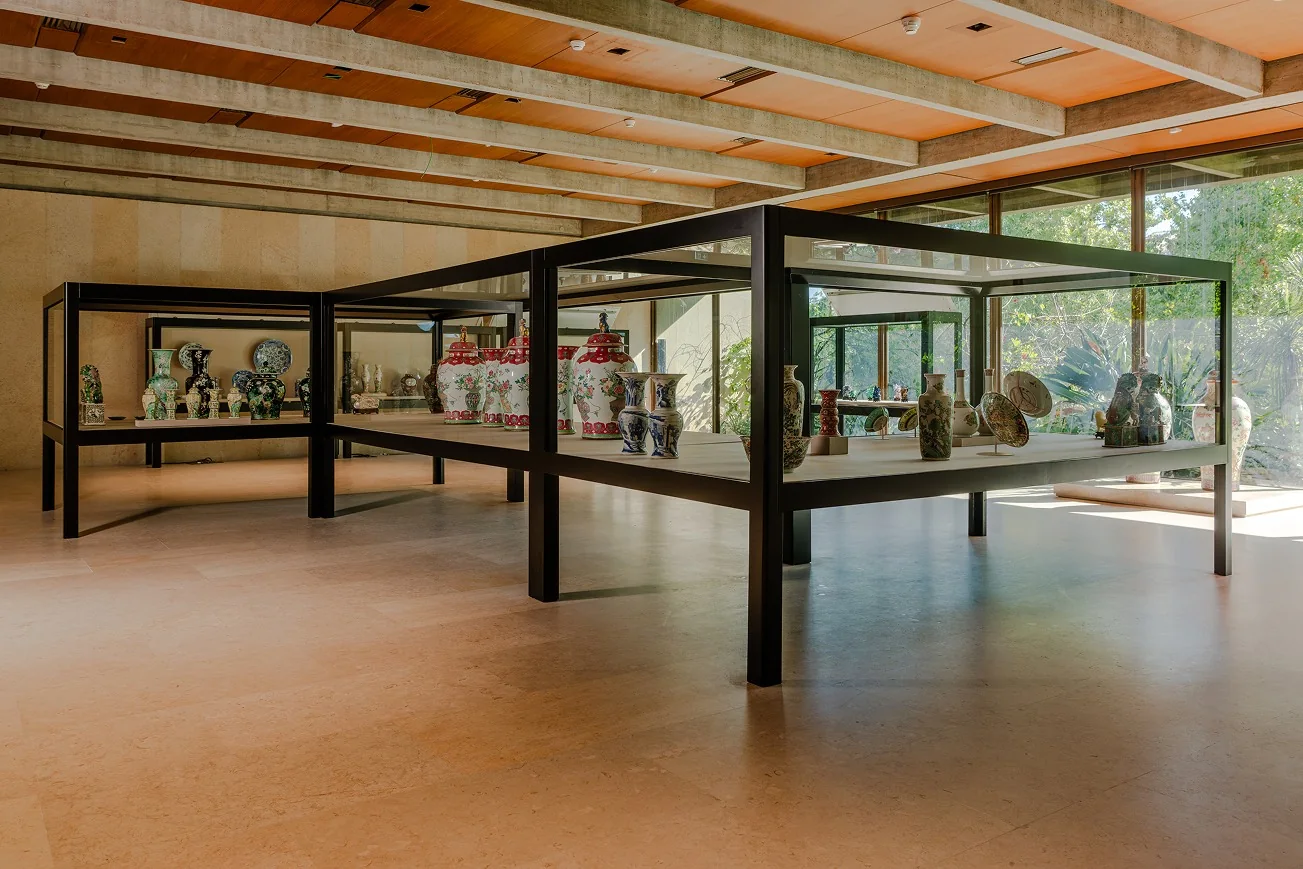
Another defining feature of the renovation is the reinvention of the Museum’s iconic Z-shaped showcase for the Chinese porcelain collection. Faithfully reconstructed from the original 1960s design, the new display case preserves the distinctive architectural character of its predecessor while discreetly incorporating contemporary museum technologies, including anti-reflective glazing and upgraded conservation standards.
At the end of the exhibition route, the René Lalique Gallery represents the project’s most distinctive museographic intervention. Home to the largest collection of Lalique’s jewelry and decorative objects outside France, the gallery departs from the otherwise rigorous restoration approach by embracing the sensuality and fluid forms that define the French artist’s work.
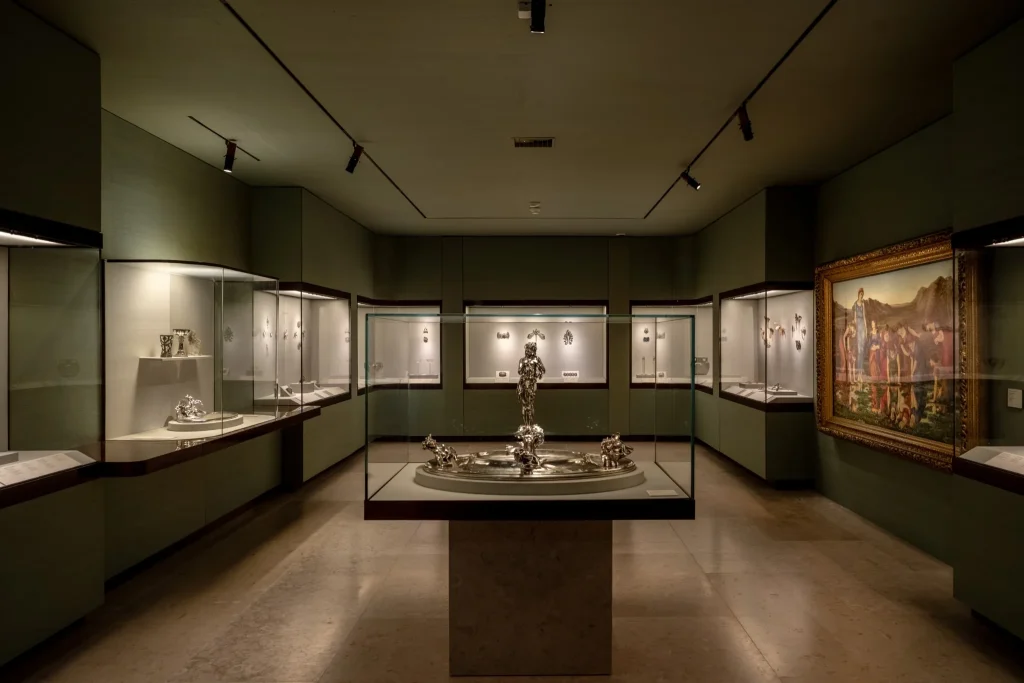
Inspired by the Museum’s original display design philosophy, a new family of softly curved showcases reinterprets the historical exhibition furniture while organizing the collection according to the materials that shaped Lalique’s artistic practice. The elegantly curved glass enclosures preserve the distinctive character of the original gallery while integrating contemporary conservation technologies, creating a subtle dialogue between historical authenticity and modern museum performance.
At MUEVO, we all feel deeply honoured to have contributed to this remarkable museum renovation project through the implementation of the Museum’s renewed permanent exhibition.
Completion Date: 2026
Type: Permanent Collection
